


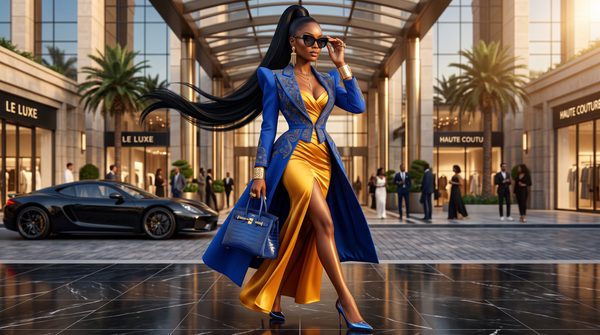
An African-inspired wardrobe does not have to mean head-to-toe prints or dressing traditionally from morning to night. The most compelling approach is often more nuanced: combining African textiles, craftsmanship, colour and design with modern tailoring and a refined personal aesthetic.
From Lagos to London, Johannesburg to Paris, African fashion continues to influence contemporary style through bold textiles, exceptional craftsmanship and designers who reinterpret heritage for a global audience. Building your own African-inspired wardrobe is therefore less about following a formula and more about understanding how to incorporate those elements with confidence.
Start With Exceptional Fabrics
Fabric can transform even the simplest silhouette.
Ankara remains one of the most recognisable choices for African-inspired dressing, but it is far from the only option. A sophisticated wardrobe can include handwoven textiles, richly textured jacquards, aso-oke, brocade, lace, silk, linen and beautifully finished cotton.
The key is quality. A beautifully constructed garment in an excellent fabric will generally look more elevated than an overly complicated outfit made from several competing prints.
Consider investing in one or two statement pieces made from distinctive African textiles, then balance them with understated wardrobe staples. A structured Ankara blazer, for example, can look remarkably contemporary when worn with tailored trousers, a silk camisole and sculptural jewellery.
Invest in Strong Tailoring
Tailoring is one of the easiest ways to give African-inspired dressing a polished, modern character.
Look for clean shoulders, defined waists, elegant trousers, precise seams and silhouettes that complement rather than overwhelm the body. A sharply cut blazer in an African print can become the focal point of an otherwise minimalist outfit, while a monochromatic agbada-inspired jacket can work beautifully with contemporary trousers.
For dresses, consider architectural shapes, asymmetric details, draping or controlled volume rather than relying exclusively on conventional silhouettes.
The goal is balance. If the fabric is dramatic, keep the silhouette relatively clean. If the cut is sculptural, a quieter fabric can allow the construction to take centre stage.
Build Around a Sophisticated Colour Palette
African fashion offers an extraordinary range of colour, from earthy terracotta and chocolate brown to emerald, cobalt, saffron, ivory and jewel-toned purple.
That does not mean every colour needs to appear in one outfit.
Choose a core palette that reflects your personality. Neutrals such as cream, black, camel, chocolate and ivory provide a sophisticated foundation, while carefully selected jewel tones can introduce personality.
For a particularly polished effect, allow one colour to dominate and use another as an accent. An emerald silk blouse with cream trousers and gold jewellery, for instance, can feel luxurious without appearing over-styled.
Let Accessories Tell the Story
Accessories can introduce African influence without requiring an entirely new wardrobe.
Statement earrings, sculptural cuffs, woven handbags, embellished shoes and distinctive headpieces can completely change a simple outfit. Jewellery inspired by African forms, materials and craftsmanship can be particularly effective when paired with contemporary clothing.
Instead of wearing several dramatic accessories simultaneously, select one hero piece. A substantial cuff or architectural necklace can have more impact than layering multiple competing pieces.
A refined wardrobe is often defined by editing as much as by acquisition.
Create African Inspired Wardrobe By Mixing Heritage With Contemporary Pieces
The most interesting African-inspired looks often sit between worlds.
Pair a richly patterned skirt with a crisp white shirt. Wear an elegant aso-oke jacket over tailored trousers. Style a traditional-inspired blouse with minimalist denim. Add contemporary heels to a flowing African-print dress.
This approach prevents the wardrobe from feeling costume-like and makes individual pieces considerably more versatile.
It also reflects the reality of contemporary African fashion itself. Today’s African designers are working across international fashion languages, combining indigenous techniques and cultural references with modern construction, luxury materials and global silhouettes.
Create African Inspired Wardrobe By Prioritising Craftsmanship Over Trends
A polished wardrobe should not depend entirely on what is currently fashionable.
Look for pieces with beautiful finishing, considered construction and details that reward closer attention. Hand embroidery, intricate weaving, hand-dyed textiles and carefully executed embellishment can give a garment a sense of individuality that mass-produced fashion often lacks.
When possible, learn about the designer or artisan behind a piece. Understanding its craftsmanship can make the garment feel more meaningful and encourages a more thoughtful approach to buying fashion.
African Inspired Wardrobe – Create a Signature Look
Ultimately, the strongest African-inspired wardrobe should feel personal.
Perhaps your signature is vibrant Ankara tailoring. Perhaps it is monochromatic dressing with sculptural African jewellery. You might prefer flowing silhouettes, minimalist neutrals or dramatic couture-inspired gowns.
Choose the elements that genuinely resonate with you and repeat them intentionally.
Personal style becomes more recognisable when there is consistency: a preferred colour family, a particular silhouette, distinctive jewellery or a recurring textile can become part of your visual identity.
The Modern African Wardrobe
Building an African-inspired wardrobe is ultimately an exercise in balance. Heritage and modernity can coexist beautifully when textiles, tailoring, colour and accessories are selected with intention.
Rather than trying to make every outfit visibly “African,” focus on creating a wardrobe that reflects where you are, where you come from and how you want to express yourself today.
The result can be luxurious without being excessive, culturally connected without being predictable, and distinctly African while remaining completely contemporary.